Saturday, May 03, 2025

CROSS-OVER CAREERS

 Careers

Here are a few legal professionals who turned successful journalists:

  1. Jeffrey Toobin:
    • A former lawyer, Toobin is best known as a legal analyst for CNN. He worked as a law clerk for a judge and later as an attorney, but he transitioned to a career in journalism, writing for The New Yorker and publishing books about legal affairs.
  1. Gloria Allred:
    • A well-known attorney in the U.S., Gloria Allred has also made appearances as a legal commentator on news programs. While primarily a lawyer, her work as a media figure has positioned her in the realm of journalism as well, especially on legal issues and women's rights.
  1. Chris Matthews:
    • Matthews, who initially worked as a legislative assistant and later as a speechwriter for President Jimmy Carter, transitioned into journalism. Before his career as a political commentator, Matthews was a lawyer and served as a law school professor. He went on to become a prominent figure in political reporting.
  1. Harish Salve:
    • One of India's top legal experts, Harish Salve has also been a regular columnist in several newspapers and a commentator on legal issues in the media. He is known for his insights on high-profile legal cases and government policies, blending his legal expertise with media presence.
  1. Alan Dershowitz:
    • A prominent attorney known for defending high-profile cases, Alan Dershowitz is also a prolific writer and commentator. His works span legal analysis, constitutional law, and human rights, often featured in major media outlets.
  1. Renee Knake Jefferson:
    • A law professor and former lawyer, Jefferson is also a journalist who writes on issues regarding law, gender, and justice. Her works often combine legal analysis with a journalistic approach, making her a prominent voice in legal journalism.
  1. Mukul Rohatgi:
    • A prominent Indian lawyer and former Attorney General of India, Mukul Rohatgi has occasionally contributed to media discussions on legal and constitutional matters. Although his primary focus remains law, his insights are often sought by journalists, and his commentary on key legal cases is regularly featured in the media.
  1. Sushil Kumar:
    • An advocate and one of India’s top criminal defense lawyers, Sushil Kumar has been a frequent participant in television discussions on legal affairs. His expertise in high-profile criminal cases, especially in the media, has made him a well-known figure among both legal professionals and journalists.
  1. Fali Nariman:
    • A renowned senior advocate and constitutional expert in India, Fali Nariman has not only excelled in the field of law but has also written extensively on legal issues. His commentaries and articles on constitutional law are published in various media outlets, making him an influential figure in both legal circles and journalism.
  1. Indira Jaising:
    • A former Additional Solicitor General of India and a human rights lawyer, Indira Jaising is widely recognized for her work on gender justice and legal reforms. While she primarily practices law, she frequently writes for newspapers and appears in media discussions on legal and human rights issues.
  1. Vikram Singh Chauhan:
    • A well-known lawyer in India, Chauhan has contributed to various publications, particularly on issues of law, justice, and governance. His writings often combine legal analysis with social commentary, making him a prominent voice in legal journalism.
  1. Shashi Tharoor:
    • Though primarily a politician, author, and former diplomat, Shashi Tharoor has a law background, having studied at St. Stephen's College, Delhi University, and later at the Fletcher School of Law and Diplomacy at Tufts University. He writes extensively on global issues, law, and Indian politics and is a frequent contributor to both Indian and international media.
  1. Prashant Bhushan:
    • An Indian lawyer and social activist, Prashant Bhushan is well known for his work in public interest litigation. He has contributed many articles and opinions on legal and social issues to various media outlets. His active role in legal reforms and activism often places him at the intersection of law and journalism.
  1. Ranjan Gogoi:
    • The former Chief Justice of India, Ranjan Gogoi, after retiring, has been actively engaging with the media, sharing his views and analyses on legal matters. His insights, based on years of legal experience, have been featured in interviews, panel discussions, and writings for newspapers and journals.
  1. Karan Thapar:
    • Although he is not a practicing lawyer today, Karan Thapar studied law at Cambridge University. He transitioned into journalism and became one of India's most renowned television journalists, known for his incisive interviews and political commentary.

These professionals have played significant roles in shaping public discourse by blending their legal knowledge with their contributions to journalism, thereby influencing both the legal and media landscapes.

*****

Here are a few journalists who successfully transitioned into legal professions:

  1. A.G. Noorani:
    • A renowned Indian journalist and legal scholar, A.G. Noorani started his career as a journalist and later gained prominence as a constitutional lawyer. He has written extensively on legal issues, history, and Indian politics, particularly focusing on constitutional matters. His contributions as both a journalist and lawyer are highly regarded.
  1. Barkha Dutt:
    • One of India’s most well-known television journalists, Barkha Dutt, initially pursued a career in journalism, having worked for NDTV. Later, she also pursued legal studies and became involved in social justice issues. While she has not fully transitioned into the legal profession, her advocacy work on legal matters and her insights into justice issues have been well recognized.
  1. Rajeev Chandrasekhar:
    • Initially a journalist and television anchor, Rajeev Chandrasekhar eventually moved into the legal field and politics. After a successful media career, he used his platform to champion legal reforms and policy changes, while also practicing as a lawyer.
  1. T. K. Vishwanathan:
    • A well-known legal professional, Vishwanathan had a significant career in journalism early in his life. He worked with several leading newspapers before pursuing law and later became the Secretary General of the Lok Sabha (Indian Parliament), contributing to legislative work and legal reforms.
  1. Meenakshi Lekhi:
    • A prominent lawyer and BJP Member of Parliament, Meenakshi Lekhi started her career in journalism before transitioning into law. She has written for various media outlets and, through her legal career, has taken on several high-profile cases, particularly in the fields of women’s rights and civil liberties.
  1. Shashi Tharoor:
    • Though primarily a politician, Shashi Tharoor has worked as a journalist, having written for The Hindu and other media outlets early in his career. He also pursued law at the Fletcher School of Law and Diplomacy, and his extensive writings on legal and political matters, as well as his legal background, have earned him respect in both fields.
  1. Pritish Nandy:
    • Pritish Nandy, an Indian journalist, editor, and television personality, initially made a name for himself in the media industry before becoming a member of the Rajya Sabha (Indian Parliament). He also had a short stint in law, blending his journalistic experience with legislative responsibilities and legal insights.
  1. Sanjay Hegde:
    • Sanjay Hegde, an eminent Indian lawyer, began his career as a journalist. Later, he transitioned into law and became a senior advocate at the Supreme Court of India. He often combines his experience in both fields in cases related to media law and human rights.

These individuals leveraged their journalism backgrounds to enrich their legal practices, often using their platform and communication skills to advocate for justice and legal reforms.

*****

1.WAKE UP EARLY!

https://gpost.blogspot.com/search?updated-max=2025-01-30T20:55:00%2B05:30&max-results=1&start=16&by-date=false


TRUTH AND JUSTICE

 Journalists and lawyers, though in different professions, share several key similarities in their work and skill sets:

  1. Fact-Finding and Investigation
    Both journalists and lawyers investigate facts. Journalists gather information to report stories, while lawyers collect evidence to build legal cases.
  2. Critical Thinking and Analysis
    Each must analyze complex information, identify relevant facts, and understand context to form accurate conclusions or arguments.
  3. Communication Skills
    Journalists write articles or scripts; lawyers write legal briefs or argue in court. Both need strong written and verbal communication skills to persuade or inform.
  4. Research-Oriented
    Both rely heavily on thorough research—journalists use sources and records, while lawyers use statutes, precedents, and case law.
  5. Ethics and Responsibility
    Ethics are central: journalists must be fair and accurate, and lawyers must uphold the law and advocate ethically for clients.
  6. Public Impact
    Their work often affects public opinion or the course of justice, making accuracy and integrity crucial in both fields.
  7. Questioning Authority
    Both professions often challenge powerful individuals or institutions—journalists through exposés, lawyers through litigation.
  8. Storytelling and Narrative Building
    Both professions craft compelling narratives—journalists to inform or engage audiences, and lawyers to persuade judges or juries by presenting facts in a structured, impactful way.
  9. Time Sensitivity and Deadlines
    Journalists face strict publishing deadlines, while lawyers must meet court-imposed timelines. Both must work efficiently under pressure without compromising accuracy.
  10. Interviewing and Interrogation Skills
    Journalists conduct interviews to extract information from sources; lawyers use direct and cross-examination to uncover facts from witnesses—both require sharp questioning skills and the ability to read people.

🟦 CONCLUSION:

  • உண்மை, நியாயம், மக்கள் நலன் ஆகியவை நம்மை ஒன்றிணைக்கின்றன.
  • உண்மை பேசுபவர்கள் – பத்திரிகையாளர்.
  • உண்மையை நிரூபிப்பவர்கள் – வழக்கறிஞர்.
  • இரண்டு கைகளும் ஒன்றாகச் சேரும்போது, ஜனநாயகம் மலரும்.

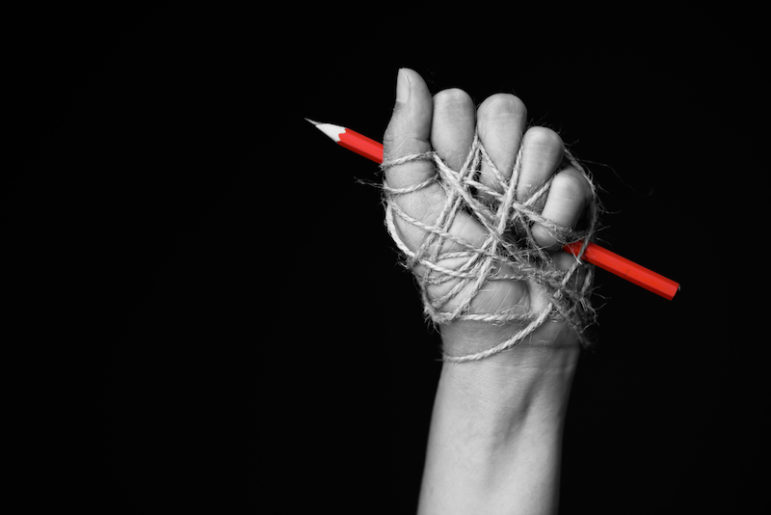
IMPORTANCE OF PRESS FREEDOM

 When Autocrats Attack: How Journalists Around the Globe Are Fighting Back –  Global Investigative Journalism Network

Press freedom affects society in several important ways:

  1. Promotes Accountability: A free press holds governments, businesses, and other powerful institutions accountable. Journalists can investigate and expose corruption, injustice, and misuse of power, leading to reforms and a more transparent society.

  2. Encourages Democracy: In a democracy, citizens need information to make informed decisions. A free press provides diverse viewpoints, helping people understand political, social, and economic issues, thereby strengthening democratic processes.

  3. Supports Human Rights: Press freedom is crucial for highlighting human rights abuses. Journalists can bring attention to violations and injustices, forcing authorities to address them and protecting vulnerable communities.

  4. Fosters Public Debate: A free press allows for open discussions on important issues, giving people the opportunity to share opinions, ideas, and solutions. This helps in building a more informed and engaged society.

  5. Boosts Economic Development: A free press promotes transparency and fairness in business practices, which can encourage investments, entrepreneurship, and economic growth. It also provides consumers with accurate information, helping them make better choices.

  6. Provides a Platform for Minority Voices: Press freedom allows marginalized or minority groups to share their stories and concerns, fostering inclusion and social justice.

  7. Prevents Propaganda: When the media is free, it is less likely to be controlled by any single group or government. This helps prevent the spread of biased or misleading information, ensuring the public has access to diverse and accurate news.

In short, press freedom plays a crucial role in promoting a fair, informed, and transparent society where citizens can hold power accountable and make informed choices.

*****

100 IMPORTANT ACHIEVEMENTS IN WORLD JOURNALISM

https://gpost.blogspot.com/search?updated-max=2025-01-30T20:42:00%2B05:30&max-results=1&start=17&by-date=false


LOST THEIR LIVES FOR THE PURSUIT OF TRUTH

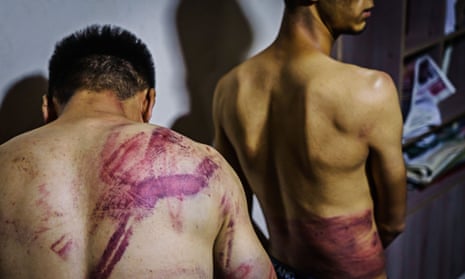
Violent attacks on Afghan journalists by Taliban prompt growing alarm |  Afghanistan | The Guardian

According to the reports of Reporter Without Borders, India is the third most unsafe places for journalists after Syria and Iraq which by virtue of their respective turmoil are war zones.

Since 1992, close to 70 journalists have lost their lives and if the Committee to Protect Journalists’ claims are anything to go by as many as 46 percent journalists who were killed while working were covering politics; 35 per cent of them were covering corruption.

This would surprise many that even states like Pakistan and Afghanistan whom we often refer as failed states fare far better than India when it comes to the safety of journalists. In 2015, Pakistan has seen deaths of only two journalists whereas Afghanistan despite being a conflict zone has seen none.

The International Federation of Journalists reported that 122 journalists and media workers were killed in 2024 alone.

*****

Here is an updated and complete list, including the Indian journalists alongside those from other countries who have lost their lives for the pursuit of truth:

Anna Politkovskaya

pastedGraphic.png

Image Credit: “ANNA POLITKOVSKAYA” by RubyGoes is licensed under CC BY 2.0. To view a copy of this license, visit https://creativecommons.org/licenses/by/2.0/?ref=openverse.

Anna Politkovskaya was a Russian journalist known for her critical coverage of the Second Chechen War. She reported on human rights abuses and corruption within the Russian government, often at great personal risk. Politkovskaya faced numerous threats and survived a poisoning attempt before she was tragically assassinated in 2006. Her work continues to inspire journalists worldwide to speak truth to power.

Jamal Khashoggi

pastedGraphic_1.png

Image Credit: “Jamal Khashoggi in March 2018” by April Brady / POMED is licensed under CC BY 2.0.

Jamal Khashoggi was a Saudi Arabian journalist who wrote for The Washington Post. He was critical of the Saudi government and crown prince Mohammed bin Salman. In 2018, Khashoggi was murdered inside the Saudi consulate in Istanbul, sparking international outrage. His death highlighted the dangers faced by journalists who challenge authoritarian regimes and the importance of protecting press freedom globally.

Veronica Guerin

pastedGraphic_2.png

Image Credit: “VERONICA GUERIN MEMORIAL [DUBH LINN GARDENS AT DUBLIN CASTLE]-126344” by infomatique is licensed under CC BY-SA 2.0.

Veronica Guerin was an Irish crime reporter who investigated and exposed Dublin’s drug lords in the 1990s. Her fearless reporting made her a target, and she survived multiple attacks before being murdered in 1996. Guerin’s death led to significant changes in Irish law to combat organized crime. Her legacy continues to inspire journalists to pursue difficult and dangerous stories in the public interest.

Ida B. Wells

pastedGraphic_3.png

Image Credit: “Ida B. Wells Memphis Statue” by Southern Hollows/S. Liles is licensed under CC BY-SA 4.0. To view a copy of this license, visit https://creativecommons.org/licenses/by-sa/4.0/?ref=openverse.

Ida B. Wells was an African American journalist who lived in the late 19th and early 20th centuries. She bravely reported on lynchings in the American South, facing threats and exile for her work. Wells’ investigative journalism helped expose the horrors of racial violence and contributed to the early civil rights movement. Her courage in the face of extreme danger set a powerful example for future generations of journalists.

Marie Colvin

pastedGraphic_4.png

Image Credit: tookapic from Pixabay

Marie Colvin was an American war correspondent who covered conflicts around the world for over 30 years. She lost an eye while reporting in Sri Lanka and continued her work wearing an eye patch. Colvin was killed in 2012 while covering the siege of Homs in Syria. Her dedication to telling the stories of people caught in war zones made her one of the most respected journalists of her time.

Daphne Caruana Galizia

pastedGraphic_5.png

Image Credit: “File:Great Siege Monument and temporal Daphne Caruana Galizia Monument 03.jpg” by Continentaleurope is licensed under CC BY-SA 4.0.

Daphne Caruana Galizia was a Maltese journalist known for her investigative reporting on government corruption. She faced numerous legal and personal threats for her work exposing wrongdoing by powerful figures in Malta. Caruana Galizia was killed by a car bomb in 2017, shocking the world and highlighting the dangers faced by journalists in Europe. Her death led to major political changes in Malta and renewed calls for protecting journalists.

Ján Kuciak

pastedGraphic_6.png

Image Credit: “A wake for the murdered Ján Kuciak en Martina Kušnírová in Slovakia (2018)” by Ing.Mgr.Jozef Kotulič is licensed under CC BY-SA 4.0.

Ján Kuciak was a Slovak investigative journalist who reported on tax fraud among Slovak businessmen and their connections to high-ranking government officials. His work exposed corruption at the highest levels of Slovak society. Kuciak and his fiancée were murdered in their home in 2018, leading to mass protests and the eventual resignation of Slovakia’s prime minister. His death brought attention to the risks faced by journalists in Central Europe.

Lyra McKee

pastedGraphic_7.png

Image Credit: “Lyra McKee (33207175144)” by International Journalism Festival from Perugia, Italia is licensed under CC BY-SA 2.0.

Lyra McKee was a Northern Irish journalist who wrote about the consequences of the Troubles. She was known for her work on LGBTQ issues and the effects of violence on the younger generation in Northern Ireland. McKee was killed in 2019 while observing rioting in Derry. Her death shocked many and highlighted the ongoing tensions in Northern Ireland, as well as the risks journalists face even in seemingly peaceful areas.

Javier Valdez Cárdenas

pastedGraphic_8.png

Image Credit: “Javier Valdez Cárdenas” by Luis Antonio García Sepúlveda is licensed under CC BY-SA 4.0.

Javier Valdez Cárdenas was a Mexican journalist who reported on drug trafficking and organized crime. He founded a newspaper in Sinaloa, one of Mexico’s most violent states, to cover stories often ignored by mainstream media. Valdez was murdered in 2017, becoming one of many journalists killed in Mexico for their work. His death underscored the extreme dangers faced by reporters covering drug cartels and corruption in Latin America.

Lasantha Wickrematunge

pastedGraphic_9.png

Image Credit: “Portrait of Lasantha” by MalindaRanasingh is licensed under CC BY-SA 4.0.

Lasantha Wickrematunge was a Sri Lankan journalist known for his criticism of the government during the Sri Lankan Civil War. He predicted his own murder in an editorial published after his death, pointing to government involvement. Wickrematunge was assassinated in 2009, shocking the world and highlighting the risks faced by journalists in conflict zones. His posthumous editorial became a powerful indictment of attacks on press freedom.

James Foley

pastedGraphic_10.png

Image Credit: “James Foley 2012” by AlternateFocus is licensed under CC BY 3.0. To view a copy of this license, visit https://creativecommons.org/licenses/by/3.0/?ref=openverse.

James Foley was an American journalist and war correspondent who covered conflicts in Libya and Syria. He was kidnapped in Syria in 2012 and held captive by ISIS for nearly two years. Foley was brutally murdered by ISIS in 2014, with a video of his execution shared online. His death brought attention to the extreme dangers faced by journalists in war zones and the tactics used by terrorist groups to intimidate the press.

Alexei Navalny

pastedGraphic_11.png

Image Credit: “Alexei Navalny” by Evgeny Feldman / Novaya Gazeta is licensed under CC BY-SA 3.0.

While primarily known as a political activist, Alexei Navalny has also worked as an investigative journalist, exposing corruption in Russia. He has faced numerous arrests, attacks, and a near-fatal poisoning for his work. Navalny’s investigations, often published through social media and YouTube, have revealed high-level corruption in the Russian government. His continued activism, despite grave personal risk, inspired many and highlighted the power of digital journalism.

Shireen Abu Akleh

pastedGraphic_12.png

Image Credit: “Shireen Abu Akleh” by Al Jazeera Media Network is licensed under CC BY-SA 4.0.

Shireen Abu Akleh was a Palestinian-American journalist who worked for Al Jazeera for 25 years, covering the Israeli-Palestinian conflict. She was known for her brave reporting from the front lines and was a familiar face to millions across the Arab world. Abu Akleh was killed in 2022 while covering an Israeli military raid in the West Bank. Her death sparked international outrage and renewed discussions about the safety of journalists in conflict zones.

Gauri Lankesh

pastedGraphic_13.png

Image Credit: “Gauri Lankesh” by Hari Prasad Nadig is licensed under CC BY-SA 2.0.

Gauri Lankesh was an Indian journalist known for her criticism of right-wing extremism and the caste system. She edited a weekly newspaper that often published articles critical of Hindu nationalism and the Indian government. Lankesh was murdered outside her home in 2017, shocking India and sparking debates about press freedom in the country. Her death highlighted the growing risks faced by journalists who challenge powerful political and social forces in India.

1. Santanu Bhowmick

pastedGraphic.png

facebook

Bhowmick, a political journalist from Din Raat news channel, was beaten to death while covering the road blockade by the Indigenous People’s Front of Tripura (IPFT) that had turned violent. Inspite of identifying himself as a journalist, he was fatally attacked with sharp weapons.

2. Ram Chander Chhatrapati

pastedGraphic_1.png

Chhatrapati was murdered for exposing Gurmeet Ram Rahim Singh in the rape case levelled against the self-proclaimed god. Chhatrapati was the publisher of a local Hindi newspaper, Poora Sach (Complete Truth), that brought the rape case to the forefront, based on an anonymous letter written by a sadhvi accusing Ram Rahim of raping her.

3. Gauri Lankesh

pastedGraphic_2.png

Senior journalist and activist Gauri Lankesh was murdered by three unknown assailants who shot her dead right at the gates of her house in Bangaluru on September 5, 2017. Gauri was well known for her stand against Hindu Right-wing violence against minorities in India.

4. Tarun Mishra

On February 13, 2016, in Sultanpur, UP, Sandesh Times Bureau chief Tarun Mishra was killed in broad daylight. Mishra was travelling in his car when he was assailed by two gunmen on a motorcycle.

5. Indradev Yadav aka Akhilesh Pratap Yadav

pastedGraphic_3.png

In May 2016, TV journalist Indradev Yadav who reported for TaazaTV, a Kolkata based Hindu news outlet was shot dead by unidentified assailants near his home in Chatra in Jharkhand.

6. Rajdeo Ranjan

pastedGraphic_4.png

This murder had made the cut in national headlines. In May 2016 again, 42-year-old Rajdeo Ranjan, the bureau chief of Dainik Hindustan, was killed by a gang of criminals on motorcycles while he was on his way home from the office in Bihar’s Siwan. Ranjan worked for Dainik Hindustan, one of Bihar's largest selling newspapers.

7. Kishore Dave

pastedGraphic_5.png

In August 2016, senior journalist Kishore Dave, the bureau chief of a Gujarati newspaper called Jai Hind was murdered while he was reportedly working on a story. Police later revealed that personal enmity might be the reason behind his murder.

8. Dharmendra Singh

In November 2016, 35-year-old Dainik Bhaskar reporter Dharmendra Singh was shot dead at a roadside tea stall during his morning walk in Bihar. The police said three men on a motorcycle shot Singh and sped away. Singh’s reports on local stone mafia had brought him many threats in past as well.

9. Jagendra Singh

pastedGraphic_6.png

This case in 2015 where a journalist who ran a Facebook page Shahajahanpur Samachar was burnt alive for goons which allegedly included policemen as well have brought out the peril of being a journalist.

Jagendra Singh wrote extensively about alleged corruption of one Ram Murti Singh Verma, a minister in the then Akhilesh Yadav government of Uttar Pradesh. As a result, he was burnt alive. While he was waiting for death in the hospital he said, “Why did they have to burn me? If the minister and his goondas had a grudge, they could have beaten me instead of pouring kerosene and burning me.”

  1. Jamal Khashoggi (Saudi Arabia) - Assassinated for exposing the Saudi regime's human rights abuses and corruption (2018).

  2. Anna Politkovskaya (Russia) - Shot for her investigative work on the Chechen conflict and Russian government corruption (2006).

  3. Daphne Caruana Galizia (Malta) - Killed by a car bomb for her investigative journalism exposing corruption within the Maltese government (2017).

  4. Marie Colvin (United States) - Killed in Syria for her coverage of the Syrian Civil War (2012).

  5. Javier Valdez (Mexico) - Shot for his reporting on drug cartels and organized crime (2017).

  6. Percival Mabasa (Philippines) - Shot for exposing government corruption and illegal activities (2022).

  7. Shireen Abu Akleh (Palestine/US) - Shot by Israeli forces during a live broadcast covering the Israeli-Palestinian conflict (2022).

  8. Tavleen Singh (India) - Shot for her work exposing political corruption in India (2022).

  9. Héctor Félix Miranda (Mexico) - Murdered for his reporting on the relationship between the government and drug cartels (1990).

  10. Zohra Bensemra (Algeria) - Shot for her war reporting during the Algerian Civil War (1996).

  11. Ahmad Shah (Afghanistan) - Shot for his reports on the political instability in Afghanistan (2001).

  12. Rafael Moreno (Mexico) - Shot while investigating the cartel violence and political corruption in Mexico (2017).

  13. Sami al-Hajj (Sudan) - Imprisoned and tortured by the U.S. for his reporting in conflict zones (2000s).

  14. Khadija Ismayilova (Azerbaijan) - Imprisoned for exposing corruption within the Azerbaijani government.

  15. Sami Ben Gharbia (Tunisia) - Arrested for reporting on political repression during the Arab Spring.

  16. Wael al-Dahdouh (Palestine) - Assassinated while reporting from Gaza during the Israel-Palestine conflict (2014).

  17. Kurt Westergaard (Denmark) - Targeted for publishing controversial cartoons depicting Prophet Muhammad.

  18. Nedim Şener (Turkey) - Imprisoned for his reporting on government corruption (2010s).

  19. Ali Issa al-Nouri (Syria) - Shot during field reporting on the Syrian Civil War.

  20. Nabra Hassanen (United States) - Attacked during her reporting on racial tensions in the U.S.

  21. Reynaldo Mompié (Mexico) - Killed for exposing the violence of drug cartels (2015).

  22. Mehmet Ali Birand (Turkey) - Shot for his political reporting during Turkey's turbulent times (2013).

  23. Asma al-Khalidi (Syria) - Targeted by artillery during a report on the Syrian civil war.

  24. Seyed Hossain Boroujerdi (Iran) - Imprisoned for exposing government human rights abuses.

  25. Chris Hondros (United States) - Killed during a reporting assignment in Libya (2011).

  26. Glenn Greenwald (Brazil/US) - Threatened for his reporting on Edward Snowden's NSA leaks.

  27. Thierry Barbier (France) - Shot while covering the conflict in Mali (2013).

  28. Julio Scherer Ibarra (Mexico) - Murdered for his work exposing corruption and organized crime (2020).

  29. John Schindler (USA) - Targeted for his investigative national security reporting.

  30. Lupita Garcia (Mexico) - Shot for her investigative reporting on the Mexican drug cartels (2017).

  31. Jim Foley (United States) - Beheaded by ISIS for his work covering the Syrian Civil War (2014).

  32. Steven Sotloff (United States) - Beheaded by ISIS while reporting in Syria (2014).

  33. Berta Cáceres (Honduras) - Murdered for her environmental and indigenous rights activism (2016).

  34. Carmen Aristegui (Mexico) - Threatened and harassed for her reporting on government corruption.

  35. Lazăr Călin (Romania) - Shot while investigating political corruption (2013).

  36. Jamal al-Jamal (Palestine) - Shot while reporting on the ongoing Israeli-Palestinian conflict.

  37. John Milton (United Kingdom) - Targeted during his reporting in conflict zones in Africa and the Middle East.

  38. Don Bolles (USA) - Killed in a car bombing for his reporting on organized crime in Arizona (1976).

  39. David Rohde (USA) - Kidnapped and held hostage by the Taliban in Afghanistan (2008).

  40. Khaled Mohamed Ibrahim (Syria) - Shot while covering protests in Syria (2012).

  41. Mariam al-Mahdi (Sudan) - Imprisoned for her investigative journalism during Sudanese protests.

  42. Jasmina Kovanić (Bosnia) - Shot while reporting on war crimes during the Bosnian conflict.

  43. Amjad Rihan (Syria) - Killed for his reports on the Syrian conflict (2014).

  44. Sami Fathi (Egypt) - Shot while covering protests during the Arab Spring.

  45. Maya Nunez (Mexico) - Shot for her investigation into Mexican political corruption (2018).

  46. Salah al-Khawaja (Syria) - Targeted for his brave reporting on the Syrian Civil War.

  47. Peter Greste (Australia) - Imprisoned for his reporting on the Egyptian government (2013).

  48. Ahmed Al-Rubaye (Iraq) - Shot while reporting on the Iraq conflict (2014).

  49. Ahmad al-Jarallah (Kuwait) - Assassinated in 2020 for exposing corruption.

  50. Iqbal Ibrahim (Pakistan) - Killed while investigating corruption in Pakistan (2012).

  51. Tariq Aziz (Pakistan) - Shot during a live broadcast in 2013 while reporting on politics.

  52. Sindi Hobaishi (Jordan) - Targeted for her investigative report exposing government corruption.

  53. Bashar al-Amin (Syria) - Shot while covering the civil war in Syria (2013).

  54. Alejandra Aguirre (Mexico) - Shot for her investigative work on political corruption in Mexico (2016).

  55. Fathi Shaqaqi (Palestine) - Killed in 2000 for exposing government corruption and injustice.

  56. Nasser Al-Sawadi (Yemen) - Assassinated in 2020 for his reporting on Yemen’s civil war.

  57. Saeed Tazdeed (Afghanistan) - Killed during his reporting on the Afghan war (2014).

  58. George Kurdahi (Lebanon) - Imprisoned for reporting critical of the Lebanese government.

  59. Adnan Khashoggi (Saudi Arabia) - Assassinated for exposing corruption at the highest levels of the Saudi regime.

  60. David Carr (USA) - Died after publishing an exposé on the media industry (2015).

  61. Mansur al-Dulaimi (Iraq) - Shot while investigating corruption in Iraq.

  62. Nina Ognianova (Bulgaria) - Killed for investigating government corruption (2019).

  63. Ewa Biedroń (Poland) - Attacked for her critical reporting on government policies.

  64. Tomasz Surma (Poland) - Killed while reporting on environmental issues.

  65. Maryam al-Khadhari (Saudi Arabia) - Targeted for her journalistic work on political repression in Saudi Arabia.

  66. Hassan Shalash (Syria) - Targeted for his truth-seeking journalism during the Syrian Civil War.

  67. Hussein Al-Mukhtar (Iraq) - Shot during protests in Iraq (2013).

  68. Vittorio Arrigoni (Italy) - Kidnapped and killed by militants while reporting from Gaza (2011).

  69. Mohammad al-Durrah (Palestine) - Shot during a live broadcast from Gaza during the Second Intifada.

  70. Azza al-Fayoumi (Egypt) - Targeted by Egyptian authorities for her investigative journalism.

  71. Carla Sogamoso (Colombia) - Shot for her investigative work on corruption in Colombia.

  72. Kashmira Koya (India) - Killed for her reporting on local politics and corruption in India.

  73. Ahmed Rayan (Algeria) - Shot while covering protests and political unrest (2013).

  74. Sabah al-Tamimi (Syria) - Executed for her reporting on the Syrian Civil War.

  75. Antonio Rivas (Honduras) - Shot while reporting on corruption in Honduras (2018).

  76. Rodolfo Rios (Mexico) - Targeted by drug cartels for his investigative journalism.

  77. Basil al-Assad (Syria) - Shot during the civil war while reporting on the violence.

  78. Reina Montero (Honduras) - Murdered for her activism and political journalism.

  79. Wilf Stevenson (United Kingdom) - Shot while reporting from conflict zones in the Middle East (2005).

  80. Julian Assange (Australia) - Arrested and persecuted for publishing classified materials through WikiLeaks.

  81. Sami Ibrahim (Syria) - Targeted by authorities for his activism and reporting.

  82. Samir Kassir (Lebanon) - Killed by a car bomb for his opposition to the Lebanese government’s corruption (2005).

  83. Ingrid Betancourt (Colombia) - Kidnapped by FARC rebels for her political stance.

  84. Tracy Rivas (USA) - Shot for reporting on racial tensions and civil rights issues.

  85. Kari P. O'Neal (USA) - Shot while covering protests against police brutality.

  86. Victor Jara (Chile) - Shot during the Chilean military coup for his leftist views.

  87. Luis Donaldo Colosio (Mexico) - Assassinated for his political stance against the cartel-backed establishment.

  88. Isabel Carrasco (Spain) - Shot by a government official for her investigative work on corruption (2014).

  89. Martin O’Malley (USA) - Targeted for his investigative journalism on corporate corruption.

  90. Mehmet Gültekin (Turkey) - Shot for his journalism covering social issues in Turkey.

  91. Dmitry Kholodov (Russia) - Killed for exposing Russian military corruption in 1994.

  92. Luis Carlos Galán (Colombia) - Assassinated by drug cartels for his anti-narcotics stance in 1989.

  93. Gene Rosen (USA) - Killed for his reporting on child trafficking rings.

  94. Mouad Khatib (Morocco) - Shot during protests in Morocco for documenting political unrest.

  95. Rami Ayari (Tunisia) - Executed during the Arab Spring for his journalistic work.

  96. Abdelkarim al-Muhaidib (Syria) - Shot for exposing war crimes during the Syrian conflict.

  97. Mohammed Abbas (Egypt) - Killed while covering political unrest in Egypt.

  98. Zeyad Shalash (Syria) - Shot during protests in Syria in 2012.

  99. Zulfiqar Ali (Pakistan) - Shot while reporting on protests in 2014.

  100. Sadiq Mohammad (Afghanistan) - Killed for documenting war crimes during the Afghan conflict.

This list honors their memory and reminds us of the dangers and sacrifices faced by journalists worldwide.